Kakadu National Park, one of Australia’s most famous UNESCO World Heritage Sites, attracts thousands of visitors each year with its stunning landscapes, Indigenous rock art and unique wildlife. But beneath the surface of this natural wonder is a growing concern—is Kakadu National Park at risk?
Contents
Environmental Threats
Over the years Kakadu has been facing increasing environmental pressures. The biggest threats are:
1. Climate Change
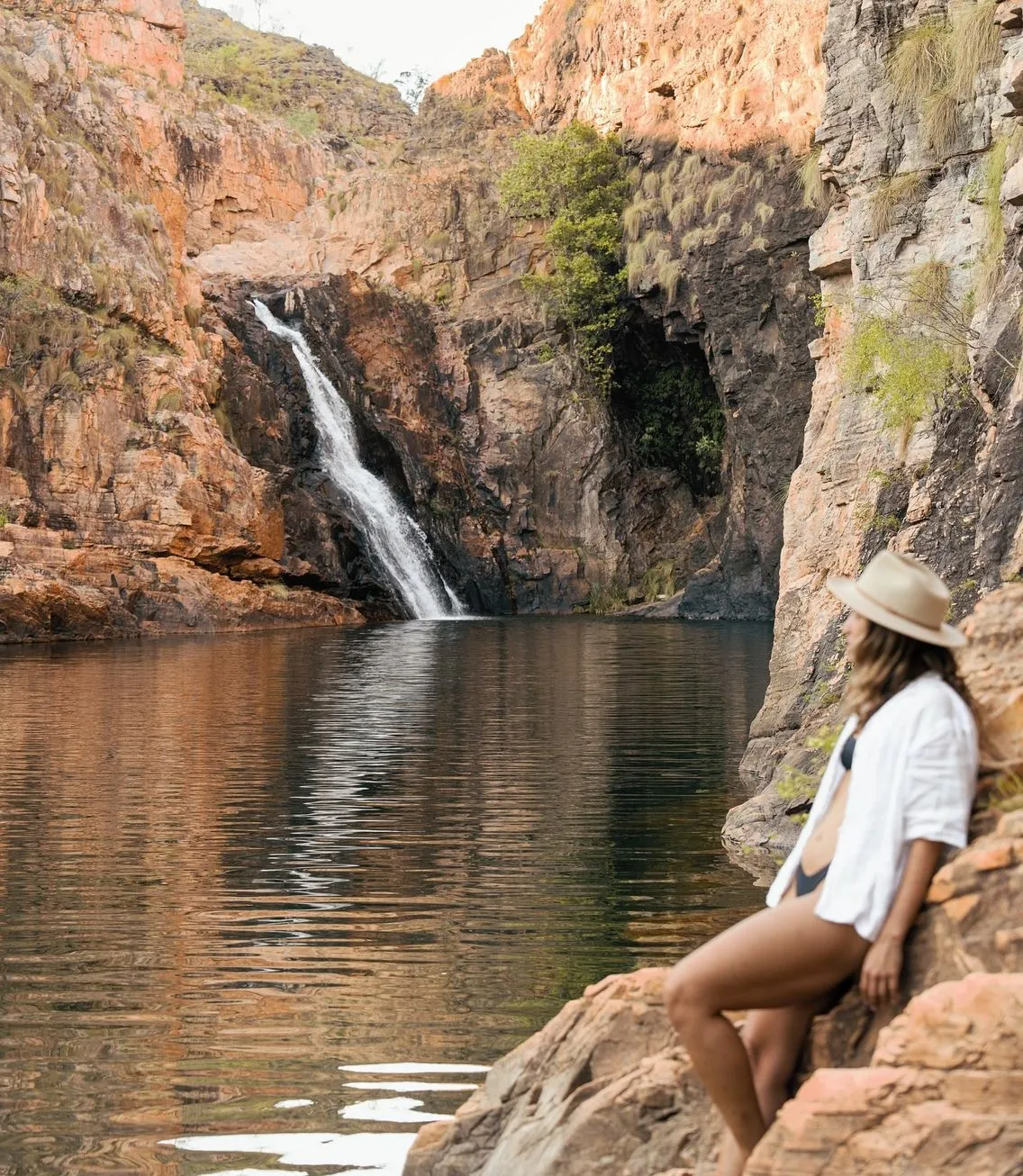
Kakadu’s wetlands and ecosystems are sensitive to temperature changes and altered rainfall patterns. Rising sea levels are threatening freshwater refuge areas with saltwater intrusion, disrupting ecological balances and impacting endemic species. The future climate scenario could see loss of tidal flats, rapid currents in river systems and salinisation of wet season floodplains.
2. Invasive Species and Feral Animals
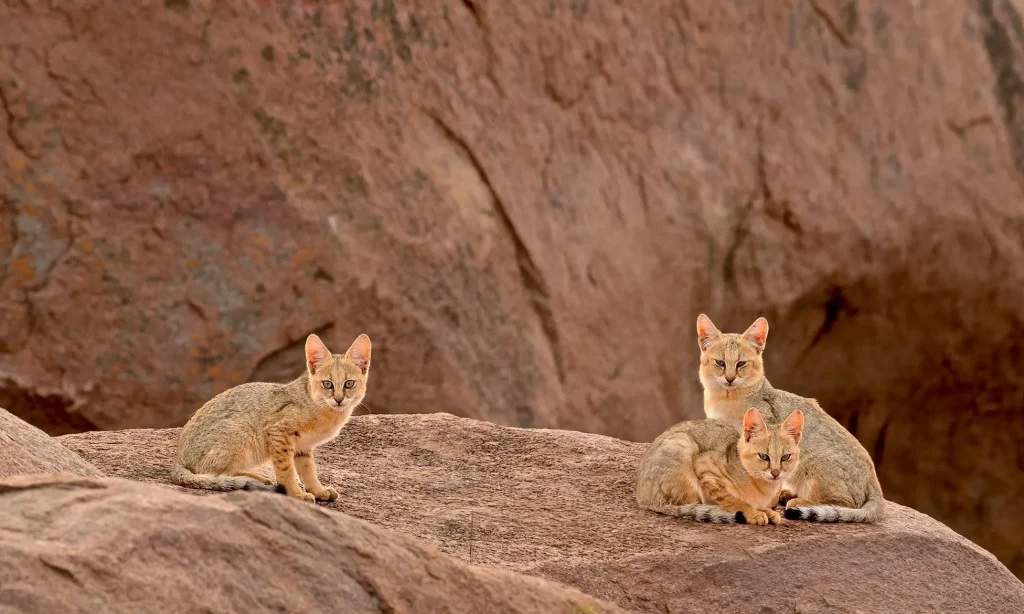
Invasive animals like cane toads and feral animals like wild pigs and cats are major threats to native animals and bird species. They disrupt the food chain and natural ecosystems, leading to biodiversity loss.
3. Mining and Industrial Activity
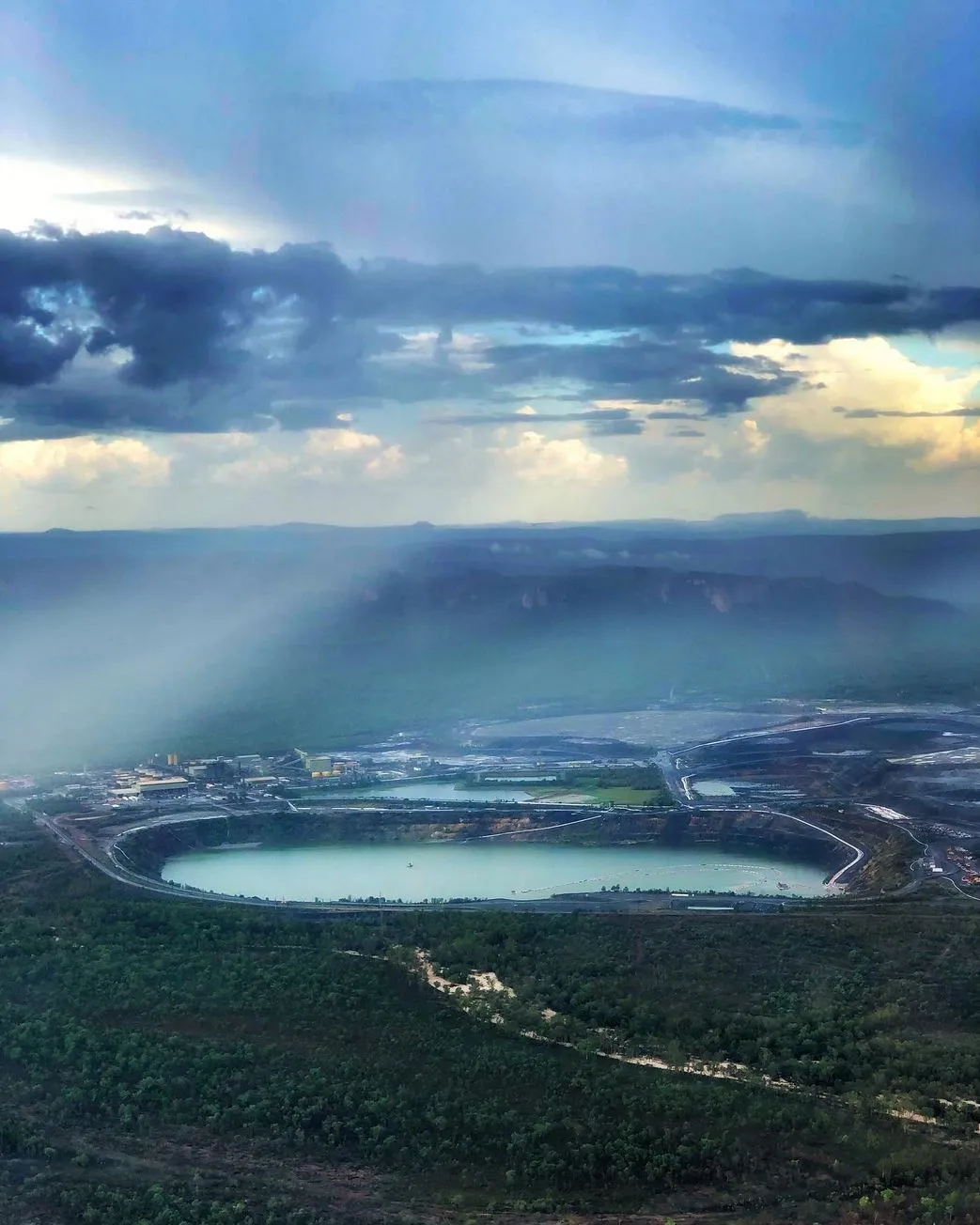
Although many of the mines near the park have closed, the legacy of uranium mining in the region, especially at Ranger Mine, still raises environmental concerns about contamination and land rehabilitation.
4. Uncontrolled Tourism
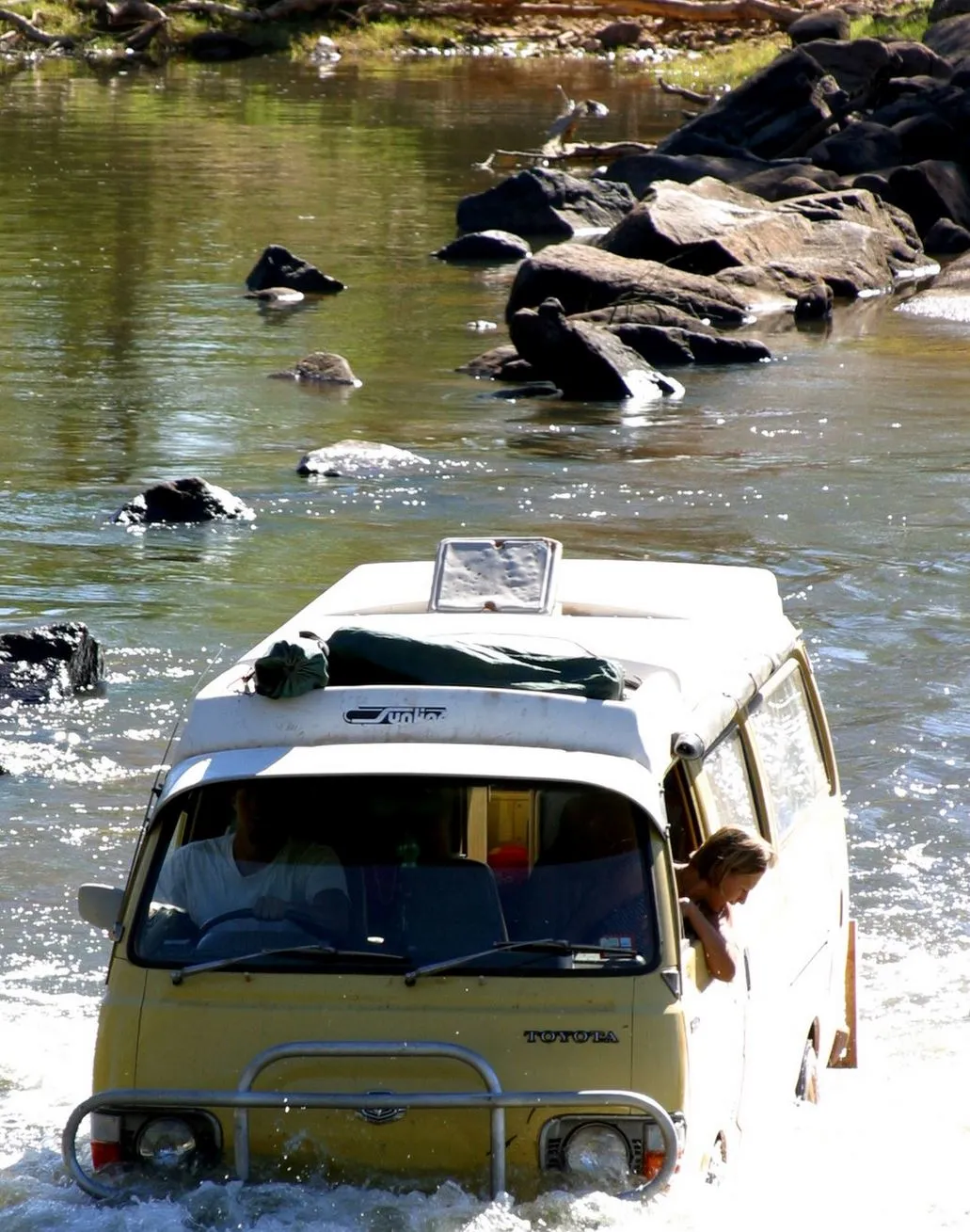
Tourism is a double-edged sword. While it brings in much-needed income and awareness, over tourism can lead to habitat destruction, litter and increased pressure on park resources. Visitors must respect both the natural and cultural values of the land.
Cultural Heritage at Risk
Kakadu has over 65,000 years of continuous Indigenous culture. Its ancient rock art galleries at Ubirr and Nourlangie are weathered, climate change vulnerable and vulnerable to vandals. The park’s cultural significance is world heritage listed and protecting these sacred sites is a top priority.
Conservation Efforts and Hope for the Future
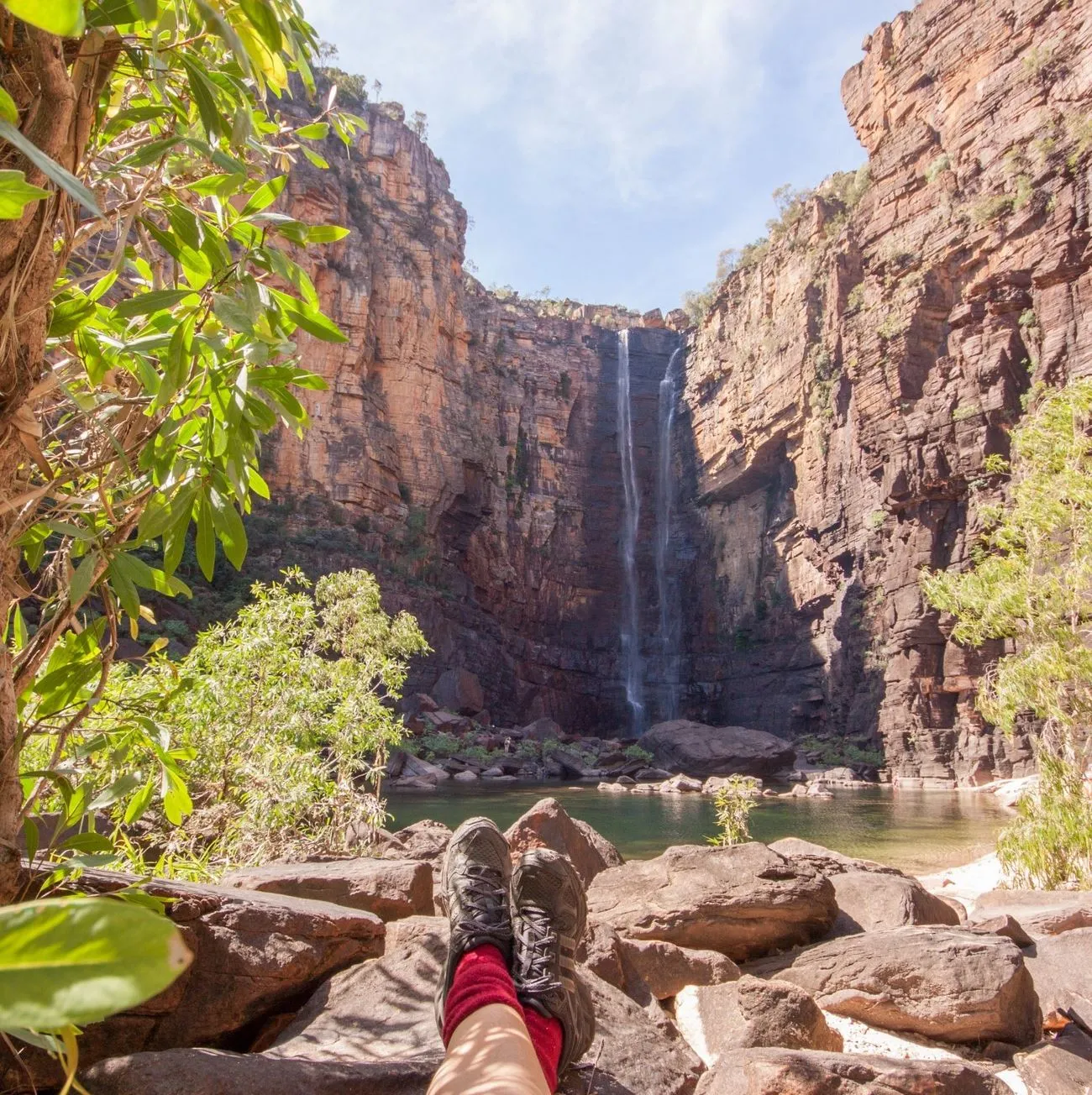
Despite the challenges there is hope. Kakadu National Park is co-managed by traditional Aboriginal owners and Parks Australia which means a balance of cultural values and scientific research guides conservation. Ongoing work includes:
- Wetland and ecosystem restoration
- Feral and invasive animal control
- Cultural site monitoring and protection
- Climate adaptation
- Marine turtle conservation, nesting sites and estuarine crocodile protection
Seasonal Wildlife Highlights
The park has wildlife experiences across the seasons. Here’s a quick snapshot:
| Season | Highlights |
|---|---|
| Dry Season | Birdwatching, saltwater crocodile sightings, and rock art tours |
| Wet Season | Flooded wetlands, waterfalls in full flow, and potential crocodile activity |
| Nesting Season | Marine turtles nesting, careful viewing opportunities, and protected zones |
Nearby Attractions
If you’re heading to Kakadu, consider adding Litchfield National Park and Nitmiluk Gorge to your itinerary. These places have waterfalls, ancient rock formations and great hiking trails. Many tours, including those run by Autopia Tours, combine Kakadu with these Top End gems for an outback adventure. One way to see the region’s highlights is on a 4 day Kakadu tour which includes guided walks, wildlife encounters and cultural sites.
How You Can Help
As a responsible traveller, you can make a difference. When visiting Kakadu:
- Stay on marked paths and follow signs
- Don’t disturb wildlife
- Support local Indigenous owned tours and experiences
- Minimise your impact
Kakadu is a living, breathing landscape full of stories and significance. Let’s work together to keep it protected for future generations.
FAQ
Why is Kakadu National Park a World Heritage Site?
Kakadu is listed for its natural and cultural values, particularly its Aboriginal rock art and long Indigenous heritage.
Is Kakadu National Park safe to visit?
Yes, Kakadu is safe for tourists but you should follow park rules, respect local customs and be aware of wildlife and seasonal conditions, especially during the wet and dry season transitions.
What is being done to protect Kakadu from environmental damage?
Conservation programs include invasive species control, wetland restoration, cultural preservation and partnerships with Indigenous communities for park management.
Can tourists help with conservation in Kakadu?
Yes. By choosing eco-friendly operators, respecting nature and culture and spreading the word, you can help protect Kakadu.
When is the best time to visit Kakadu National Park?
The dry season (May to October) is better for access to attractions and to see bird species, marine turtles and saltwater crocodile habitats and to avoid the challenges of flooding and rapid currents during the wet season.